Final Product Manufacturing
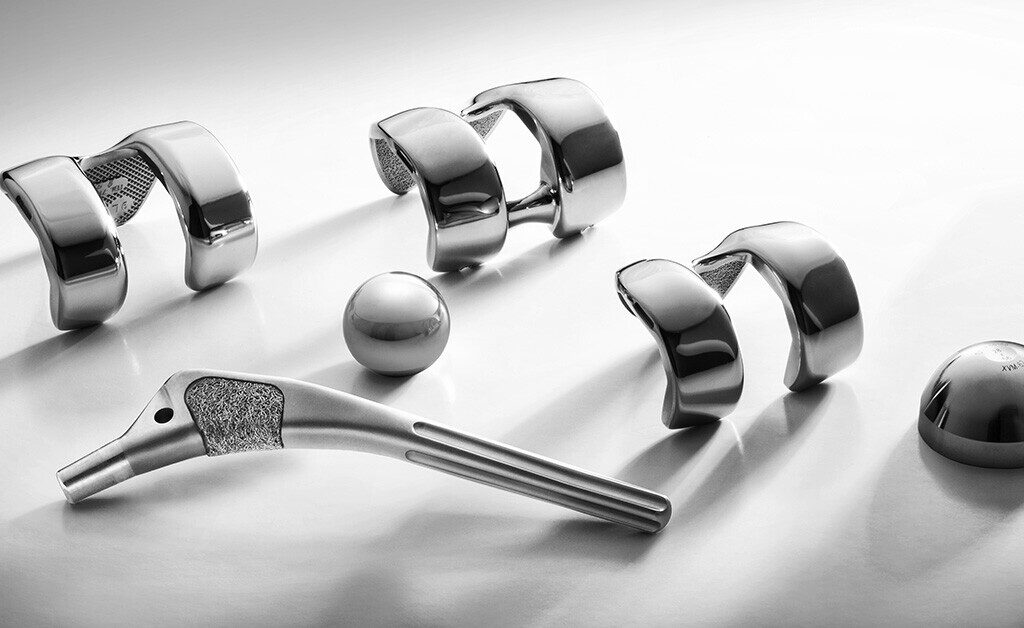
To capitalize on the full value chain of titanium, TK has ventured into the manufacturing of final titanium products. This division specializes in producing high-quality, precision-engineered titanium parts for various industries, including aerospace, automotive, and medical devices.
Land Rehabilitation and Biodiversity Restoration
Land rehabilitation is crucial to returning mining sites to a natural or usable state after operations conclude. Effective land rehabilitation includes:
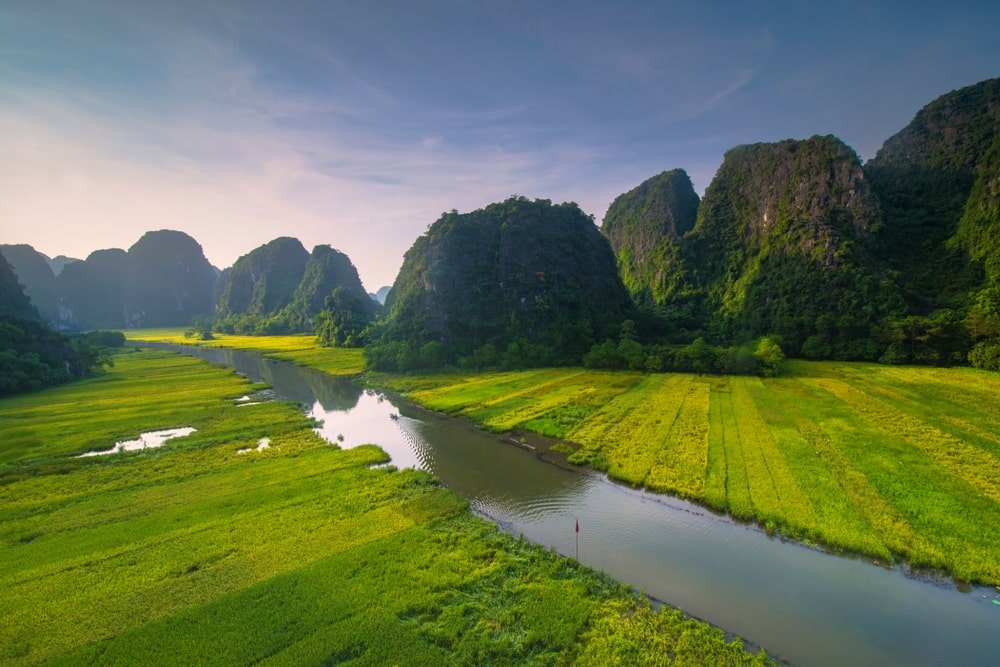
- Reforestation and Habitat Restoration: Planting native vegetation can help rebuild ecosystems and provide habitats for local wildlife. Reforestation also helps combat soil erosion, improving the area’s stability.
- Topsoil Preservation: During excavation, preserving the topsoil allows for easier replanting once the mining is finished. By stockpiling and then replacing this nutrient-rich soil, mining companies support plant regrowth and restoration.
- Monitoring Biodiversity: Maintaining local biodiversity through regular ecological assessments ensures that natural habitats remain balanced, and that efforts to restore biodiversity are effective.
Renewable Energy and Carbon Reduction Initiative
Mining operations are energy-intensive and often rely on fossil fuels. To reduce carbon emissions and reliance on non-renewable energy sources, mining companies are increasingly turning to renewable energy:
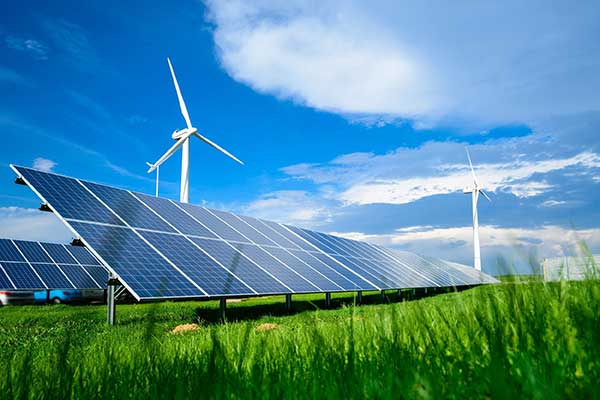
- Solar and Wind Power: Using solar panels, wind turbines, and other renewable energy sources helps mining sites cut down on their greenhouse gas emissions.
- Energy-Efficient Equipment: Investing in energy-efficient machinery and vehicles lowers fuel consumption, reducing emissions and improving operational efficiency.
- Monitoring Biodiversity: Incorporating renewable energy into mining processes is key to reducing the industry’s environmental footprint.local biodiversity through regular ecological assessments ensures that natural habitats remain balanced, and that efforts to restore biodiversity are effective.